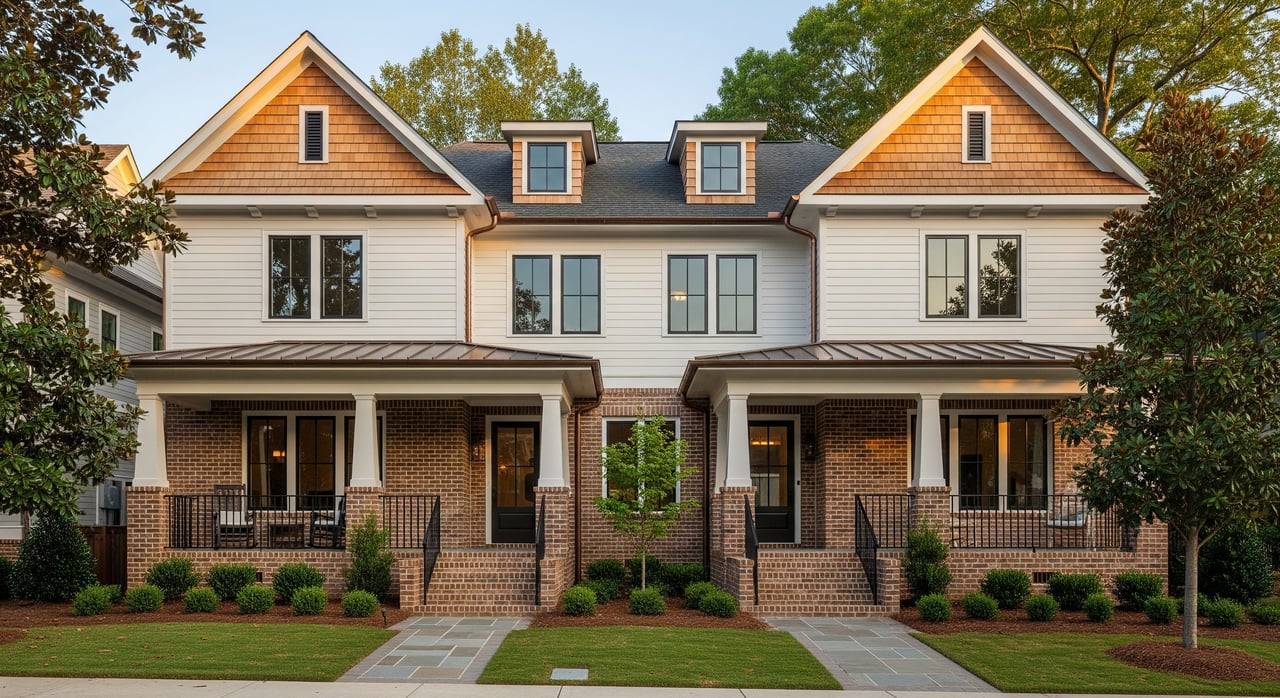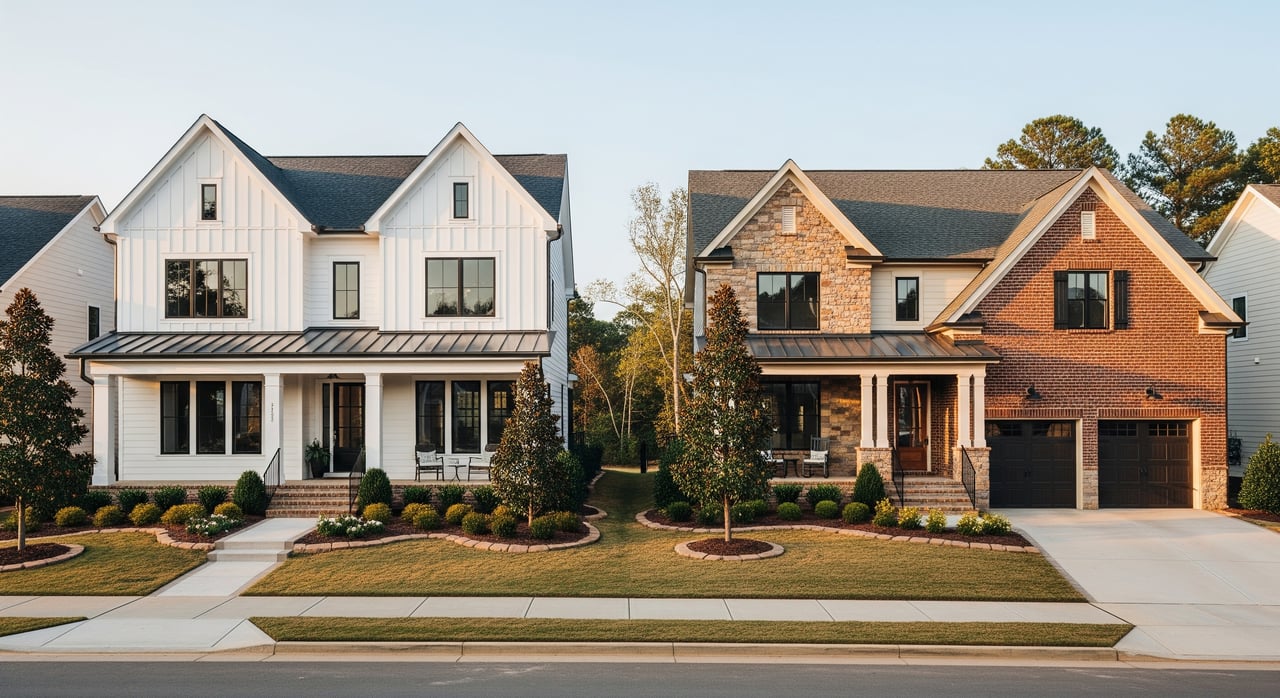
Thinking about buying a home in Uptown Charlotte this winter? You might have heard that winter is slower, which can feel like both an opportunity and a question mark. You want the right place, fair pricing, and a smooth closing without surprises. In this guide, you will learn how winter typically plays out in Charlotte, what is unique about Second Ward, and the steps to make a confident move. Let’s dive in.
What winter market means in Charlotte
Winter in most markets brings fewer new listings and lighter buyer traffic. In Charlotte, that pattern shows up too, though it is usually milder than in colder cities. Fewer competing offers can create more space to negotiate and more time to complete due diligence.
For Second Ward specifically, activity often stays steadier than suburban areas. Corporate relocations, downtown professionals, and consistent condo interest support year-round demand. You may see less inventory overall, but you can also face less competition on quality listings.
Second Ward specifics for buyers
Second Ward sits at the heart of Uptown Charlotte. You will find high-rise condos, office-to-residential conversions, cultural venues, and walkable access to major employers. The buyer pool includes professionals, investors, and downsizers who value low-maintenance living.
Because condos dominate here, HOA details, amenities, and parking matter as much as pricing. Your best move is to weigh each building’s rules and financials alongside location and layout.
Inventory and unit types
In winter, inventory tends to be leaner, especially for popular floor plans like 1–2 bedroom condos with a deeded parking space. If you have a tight wish list, be ready to move quickly when the right unit appears. If you can flex on things like view, floor level, or move-in date, you may find more options.
HOA rules and building health
Review HOA financials early. Look for reserve fund strength, history of special assessments, and planned capital projects. Understand rental and short-term rental rules, pet policies, and any leasing caps if you are an investor or you want future flexibility. Strong governance can support long-term value.
Parking, storage, and mobility
Confirm whether parking is deeded, assigned, or leased and if additional spaces are available. Ask about guest parking, EV charging, and storage options for bikes or seasonal items. Evaluate walkability, transit access, and proximity to parking garages if your lifestyle requires it.
Winter strategies that work
Search and timing
Expect fewer new listings, but also fewer active buyers. Broaden your search slightly by including nearby Uptown micro-areas or adjusting move dates. If a scarce unit type hits the market and checks your boxes, move decisively with a complete offer package.
Make a confident offer
Sellers who list in winter may be motivated by relocation or tax timing. Present a strong pre-approval, clean contingencies, and realistic timelines. Ask for concessions that solve problems, such as closing cost credits or appliance inclusion, and consider repair credits when a quick closing is important to the seller.
Financing and appraisal
Mortgage rates reflect macroeconomic forces more than seasonality. Winter can help you with negotiation, but it does not guarantee better rates. Lock terms when they meet your budget and build in buffer time for appraisals, especially if access to the building or vendor scheduling is limited around holidays.
Closing and holiday logistics
Title offices, attorneys, and lenders may have reduced hours late December through New Year. Plan extra days for closing and document collection. If you are buying in a high-rise, schedule elevator reservations and move-in permits early, and prepare for possible weather delays.
Investor angle in Second Ward
Downtown condos attract steady interest from renters who want proximity to employers and entertainment. If you are investing, confirm rental policies, leasing minimums, and any short-term rental restrictions. Evaluate carrying costs such as HOA fees and amenities against expected rents, and factor in mortgage rate sensitivity for your cash flow.
Buyer checklist for winter in Second Ward
- Get fully pre-approved and set a clear budget that includes HOA dues, parking, and insurance.
- Define your must-haves for layout, parking, amenities, and view. Note where you can flex.
- Review HOA documents early, including reserves, special assessments, and rental rules.
- Confirm parking type, availability of extra spaces, EV charging, and storage options.
- Discuss a rate lock strategy with your lender and hold some buffer for appraisal timing.
- Line up inspectors who can access the building during service windows and holidays.
- Plan your closing calendar around office closures and reserve the freight elevator early.
- Prepare weather and timing contingencies for move-in day.
- Consider nearby Uptown options if your ideal unit type is scarce.
What this means for you
Winter can be a smart time to buy in Second Ward if you want less competition and more room to negotiate. The tradeoff is fewer listings, so the best approach is to be prepared, move quickly on the right opportunity, and use building-level insights to protect your value. A focused plan will help you balance price, timing, and condo-specific details with confidence.
If you are ready to explore Second Ward this season, connect with a local expert who pairs data, building knowledge, and fast communication. Reach out to Denis Dashchenko to set your winter strategy and see current opportunities.
FAQs
Is winter a good time to buy in Second Ward?
- Often yes, because buyer traffic is lighter and negotiation can be easier, provided the unit type you want is available.
Will sellers accept lower offers during winter?
- It depends on motivation and demand; bring a strong pre-approval, clean terms, and aim for fair, well-supported negotiations rather than extreme lowball bids.
How does condo buying differ in winter in Uptown?
- You will focus on HOA financials, reserve health, special assessment history, rental rules, and scheduling inspections around building access and holiday windows.
Are mortgage rates lower in winter?
- Rates follow broader economic forces, not the calendar; use a lender’s guidance to lock when terms align with your budget.
What holiday-related delays should I expect when closing?
- Expect reduced hours at lenders and attorneys, slower scheduling for appraisals and inspections, and the need to reserve elevators and move-in times early.